Loading Bridgeway

Skip to content
Bridgeway. Your path to progress

Prepare a file a lender can read

MSME loans, scheme selection, and startup funding support.

Most rejected files are not rejected for lack of a scheme name. They are rejected because the entity, the project, and the numbers do not agree. Bridgeway selects a plausible scheme, prepares the project report and bank set, and follows the file. We do not sanction loans and we do not guarantee a limit.

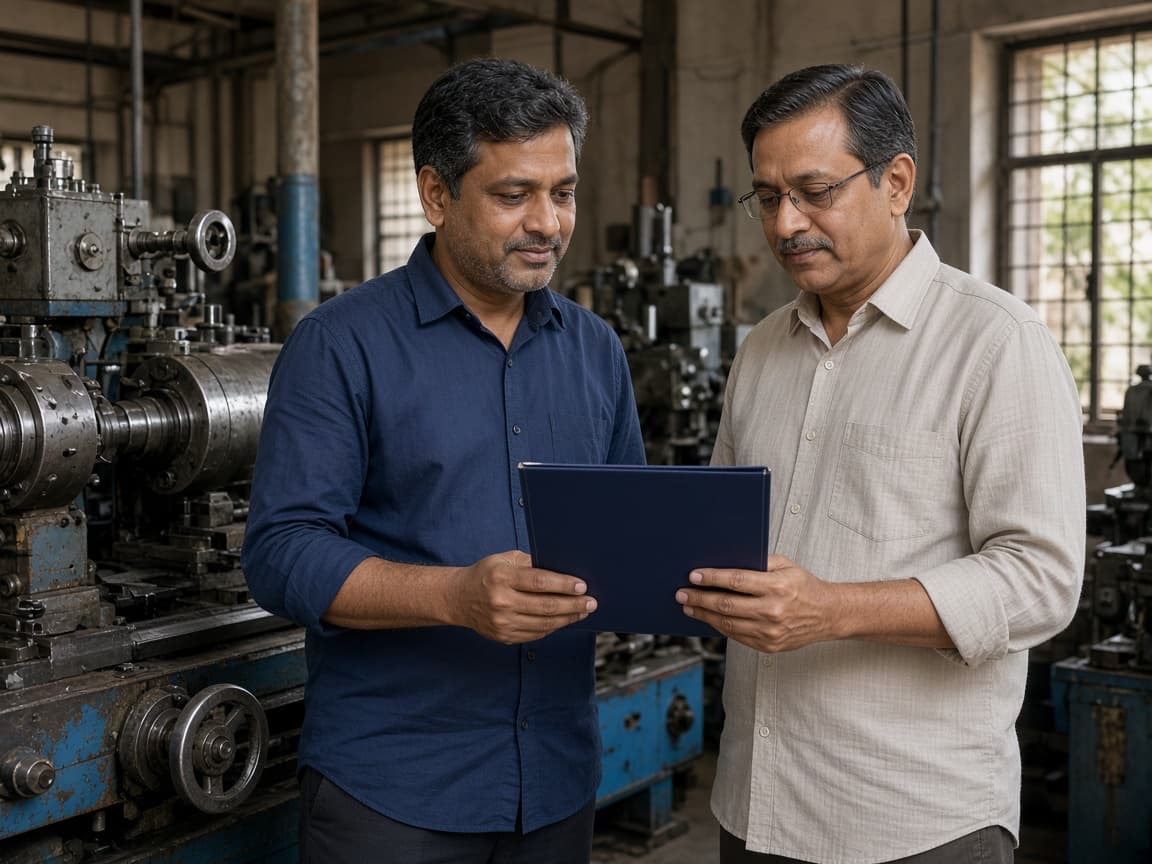
A factory owner and an advisor beside machinery with a project folder

₹10 lakh–₹5 crore

Range described across schemes

Not a single product
35+

Schemes in the published catalogue

We shortlist, we do not file all of them

Bank-set

Interest and final limit

See each scheme page

What this engagement covers

MSME term loans and CGTMSE

Collateral-free credit conversations for eligible micro and small enterprises, prepared for the bank that will actually underwrite them.

  • Guarantee cover is not the same as approval
  • Published guides differ between ₹2 crore and ₹5 crore caps
  • We quote the lender’s current cap, not a brochure number

Startup funding paths

DPIIT recognition, CGSS debt, angel or venture materials, and a clear split between equity and credit.

  • Seed funds and pitch decks where equity is the real path
  • CGSS where debt is the real path
  • No introduction is described as a committed cheque

NAIFF and PMFME

Agriculture infrastructure finance and micro food-processing projects, including subsidy or subvention claims after sanction.

  • NAIFF guide: up to ₹2 crore and 3% interest subvention
  • PMFME guide: ₹10–50 lakh and 35% capital subsidy
  • Both need a project, not only a registration certificate

Manufacturing incentives

Capital subsidy, interest subsidy, and electricity-duty exemption where the unit is a manufacturing business and the state or central policy allows it.

  • These are not available to every services firm
  • Claims need invoices that match the approval
  • Gujarat industrial incentives are handled with the grants team when that is the better file

Loan documentation

Application, business plan, banking, and lender follow-up as one piece of work.

  • KYC, registration, financials, and a project report
  • Answers to credit queries
  • A record of what was submitted

Why clients use this

  • One scheme is chosen after the business is understood, instead of five applications at once.
  • Project reports are written for the lender’s question: how does the money come back?
  • Manufacturing-only subsidies are labelled as such.
  • You see the difference between a loan, a guarantee, a subsidy, and a grant before you pay for a file.

Documents usually required

  • Business registration and Udyam certificate, where already issued
  • KYC of promoters
  • Financial statements and recent bank statements
  • A business plan or project report
  • Quotations, if the loan is for assets

How the work moves

  1. 01

    Assessment

    We look at entity, turnover, banking, and what the money is for.

  2. 02

    Scheme choice

    We name the best-fit scheme and the ones that would waste a month.

  3. 03

    Application

    We prepare the project report, forms, and annexures.

  4. 04

    Follow-up

    We answer the lender or department. If approved, funds come from that institution, not from Bridgeway.

Before you start

  • MUDRA, CGTMSE, CGSS, and state subsidies are different products. A single ‘MSME loan’ pitch usually hides that.
  • The original site lists illustrative interest bands that do not match each other. We will not put a rate on a proposal until a lender does.
  • Women-entrepreneur schemes are part of the advisory. Any extra subsidy percentage depends on the current notification.
  • A 95% firm-wide figure published on the old site is not a promise about your file.

Published processing windows run from about 15 days for simpler files to 30–60 days for CGTMSE-style credit. The lender’s clock is the one that counts.

Questions

CGTMSEStartup IndiaMore